CNN is reporting: Iran says negotiations with the U.S. have stalled, with senior adviser Mohsen Rezaei claiming President Trump must act to break the impasse. Iran is demanding the release of $24 billion in frozen assets as part of any agreement: $12 billion upon signing an interim deal. Another $12 billion at a later stage. Iran views the asset release as a trust-building test, arguing that unlocking the funds would demonstrate U.S. commitment to a lasting agreement. U.S. officials reportedly oppose releasing the funds at this stage, concerned that doing so would reduce a key source of leverage over Iran. Rezaei warned against a return to military conflict, stating that if fighting resumes, Iran could expand operations beyond the Persian Gulf. Potential areas of escalation mentioned by Iran include: Strait of Hormuz Indian Ocean Bab al-Mandab Strait Red Sea Mediterranean Sea Iran threatened broader attacks on U.S. military assets if another conflict breaks out. Rezaei ruled out a meeting between President Trump and Supreme Leader Ayatollah Khamenei, saying the negotiations are currently in an early stage and have reached a standstill. Market Implications The comments suggest peace negotiations remain fragile, reducing the likelihood of a near-term breakthrough. Any signs of renewed tensions could support higher oil prices due to concerns over disruptions to shipping routes and energy supplies in the Middle East. Traders will likely watch for any U.S. response regarding the frozen assets issue, which now appears to be a central sticking point in the negotiations The current price of crude oil is trading at $90.75. That is down $-2.32 on the day. This article was written by Greg Michalowski at investinglive.com.
CNN: Iran-US talks reportedly deadlocked
CNN is reporting: Iran says negotiations with the U.S. have stalled, with senior adviser Mohsen Rezaei claiming President Trump must act to break the impasse. Iran is demanding the release of $24 billion in frozen assets as part of any agreement: $12 billion upon signing an interim deal. Another $12 billion at a later stage. Iran views the asset release as a trust-building test, arguing that unlocking the funds would demonstrate U.S. commitment to a lasting agreement. U.S. officials reportedly oppose releasing the funds at this stage, concerned that doing so would reduce a key source of leverage over Iran. Rezaei warned against a return to military conflict, stating that if fighting resumes, Iran could expand operations beyond the Persian Gulf. Potential areas of escalation mentioned by Iran include: Strait of Hormuz Indian Ocean Bab al-Mandab Strait Red Sea Mediterranean Sea Iran threatened broader attacks on U.S. military assets if another conflict breaks out. Rezaei ruled out a meeting between President Trump and Supreme Leader Ayatollah Khamenei, saying the negotiations are currently in an early stage and have reached a standstill. Market Implications The comments suggest peace negotiations remain fragile, reducing the likelihood of a near-term breakthrough. Any signs of renewed tensions could support higher oil prices due to concerns over disruptions to shipping routes and energy supplies in the Middle East. Traders will likely watch for any U.S. response regarding the frozen assets issue, which now appears to be a central sticking point in the negotiations The current price of crude oil is trading at $90.75. That is down $-2.32 on the day. This article was written by Greg Michalowski at investinglive.com.
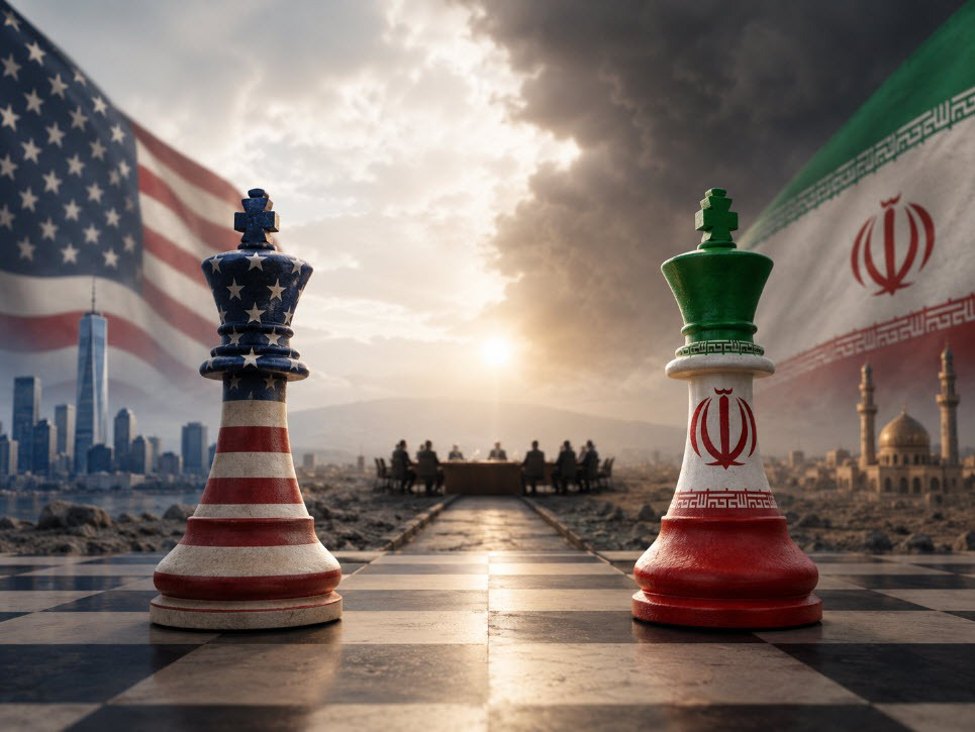
CNN is reporting: Iran says negotiations with the U.S. have stalled, with senior adviser Mohsen Rezaei claiming President Trump must act to break the impasse. Iran is demanding the release of $24 billion in frozen assets as part of any agreement: $12 billion upon signing an interim deal. Another $12 billion at a later stage. Iran views the asset release as a trust-building test, arguing that unlocking the funds would demonstrate U.S. commitment to a lasting agreement. U.S. officials reportedly oppose releasing the funds at this stage, concerned that doing so would reduce a key source of leverage over Iran. Rezaei warned against a return to military conflict, stating that if fighting resumes, Iran could expand operations beyond the Persian Gulf. Potential areas of escalation mentioned by Iran include: Strait of Hormuz Indian Ocean Bab al-Mandab Strait Red Sea Mediterranean Sea Iran threatened broader attacks on U.S. military assets if another conflict breaks out. Rezaei ruled out a meeting between President Trump and Supreme Leader Ayatollah Khamenei, saying the negotiations are currently in an early stage and have reached a standstill. Market Implications The comments suggest peace negotiations remain fragile, reducing the likelihood of a near-term breakthrough. Any signs of renewed tensions could support higher oil prices due to concerns over disruptions to shipping routes and energy supplies in the Middle East. Traders will likely watch for any U.S. response regarding the frozen assets issue, which now appears to be a central sticking point in the negotiations The current price of crude oil is trading at $90.75. That is down $-2.32 on the day. This article was written by Greg Michalowski at investinglive.com.
- CNN is reporting: Iran says negotiations with the U.S. have stalled, with senior adviser Mohsen Rezaei claiming President Trump must act to break the impasse.
- Iran is demanding the release of $24 billion in frozen assets as part of any agreement: $12 billion upon signing an interim deal.
- Rezaei warned against a return to military conflict, stating that if fighting resumes, Iran could expand operations beyond the Persian Gulf.
- Rezaei ruled out a meeting between President Trump and Supreme Leader Ayatollah Khamenei, saying the negotiations are currently in an early stage and have reached a standstill.
- Traders will likely watch for any U.S. response regarding the frozen assets issue, which now appears to be a central sticking point in the negotiations The current price of crude oil is trading at $90.75.
What people are saying
Discussion
Hot takes
Loading takes…
Comments
Discussion · 0
Sign in to comment, like, and save articles.
Sign inLoading comments…