
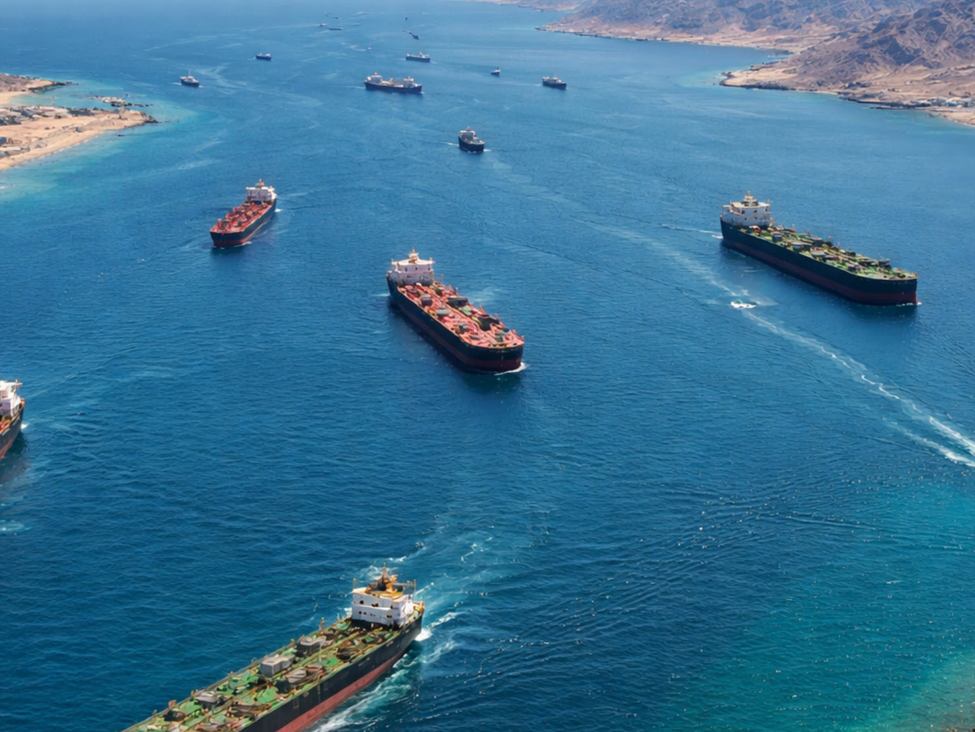
Iran and Oman are actively discussing a permanent security mechanism for the Strait of Hormuz. Iran is pushing to institutionalize and normalize a transit fee or toll on commercial shipping vessels navigating the narrow waterway. According to an Iranian diplomatic envoy, the proposed system is designed to secure the long-term positioning of Iran and Oman as the primary regulators of the strait, effectively transforming a temporary leverage point from the recent military conflict into a permanent sovereign right. To formalize its grip, Iran’s newly established Persian Gulf Straits Authority began applying conditional rules and hefty transit tolls, in some cases exceeding one million dollars per vessel, while granting selective exemptions to friendly nations like Russia or China. By engaging Oman, which shares territorial jurisdiction over the Strait, Iran is seeking to build a coalition that validates these tolls under the guise of funding localized maritime security. The US maintains an opposing view on the matter, viewing the permanent toll as a non-negotiable barrier to reaching a sustainable peace deal. Under the United Nations Convention on the Law of the Sea, international straits are governed by transit passage protocols that guarantee the uninterrupted flow of global commercial shipping, a principle the US insists must be restored without conditions. The US has treated the removal of these tolls as a core prerequisite for reaching a peace deal. President Trump has warned international maritime firms that paying Iran’s transit fees could trigger severe economic sanctions. The US military has also enforced its own counter-blockade on Iranian ports and continues to intercept or redirect vessels to challenge Tehran's claims of total sovereignty.While the Trump administration notes that peace talks are in their final stages and a temporary framework is being reviewed to prevent a return to active combat, the US position remains rigid: any legitimate peace deal must ensure free, untolled navigation. Allowing Iran to permanently tax global trade would shatter US defense assurances to its Gulf partners, such as Saudi Arabia and the United Arab Emirates, and fundamentally upend the existing legal order governing global maritime choke points.
Forex & Trading·May 21, 2026
Iran and Oman are discussing a permanent Strait of Hormuz toll
This article was written by Giuseppe Dellamotta at investinglive.com.
Forexlive1 min readSingle source
The gist
1-point summary · 1 minThis article was written by Giuseppe Dellamotta at investinglive.com.
- This article was written by Giuseppe Dellamotta at investinglive.com.
Integrity note · Xela does not rewrite or paraphrase article content. The excerpt above is the source publication's own words, sanitized for display. For the full piece — including any quotes, charts, or images — read it at Forexlive. Xela's rewritten version is off for this story, so there's no editorial angle attached — you're getting the source's reporting unfiltered. When the rewrite is on, we add a What this means block underneath with the operator/trader takeaway.
What people are saying
Discussion
Hot takes
0/280
Loading takes…
Comments
Discussion · 0
Sign in to comment, like, and save articles.
Sign inLoading comments…


