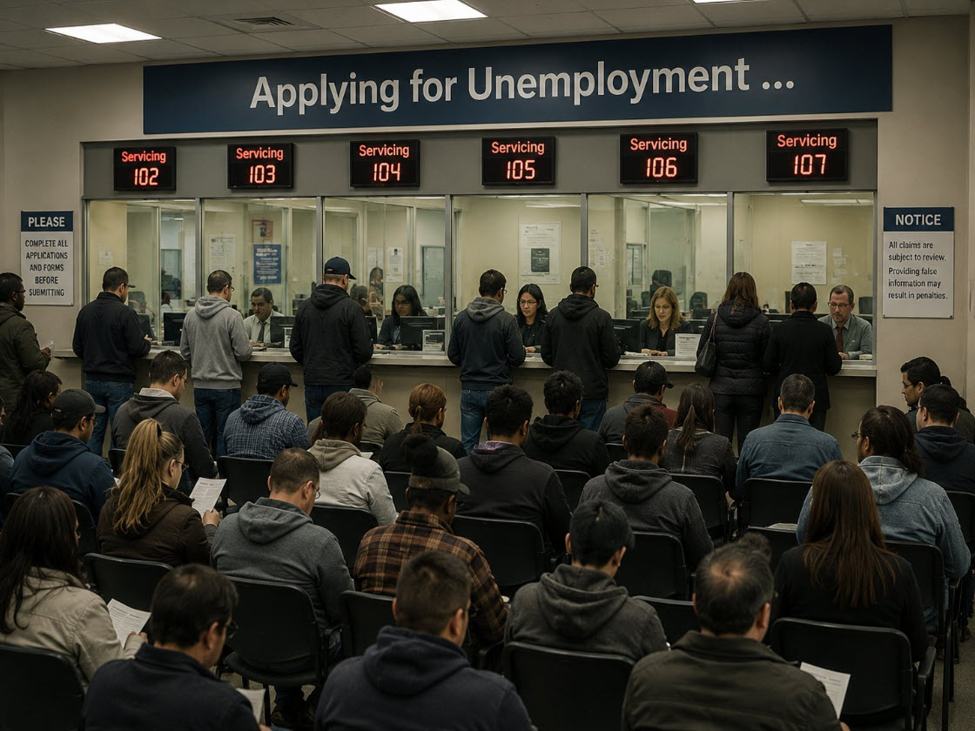
Prior week for initial jobless claims 209K revised to 212K. Prior week for continuing claims 1.786 million revised to 1.785M initial jobless claims come in higher at 225K vs 213K estimate and a revised 212K last week. Largest since the first week of February 4-week moving average comes in at 214.75K up from 208.25K last week Continuing claims 1.777M versus 1.780 million estimate. The 4-week moving average was 1,777,250, an increase of 4,750 from the previous week's revised average. The previous week's average was revised down by 250 from 1,772,750 to 1,772,500. The initial jobless claims move higher in the current week suggestive of a weakening jobs picture. It is the highest level since the first week of February, but still relatively low and steady. The continuing claims moved marginally lower. Note that the continuing claims are on week delay. So next week's data will match up with this week's data for the initial jobless claims. The US stock market remains mixed in premarket trading with the NASDAQ down -358 points, but the Dow industrial average of 506 points. The S&P is down -19.43 points in premarket trading. US yields are lower with the two-year at 4.039% -4.5 basis points. The 10 year yield is down -3.8 basis points at 4.455%. The 30 year is at 4.960% -3.0 basis points. What is the weekly employment claims data? For background, the weekly US jobless claims reports are released by the United States Department of Labor every Thursday morning and are one of the fastest indicators of labor market conditions in the United States. The report includes two key measures: Initial Claims and Continuing Claims. Initial Claims track the number of people filing for unemployment benefits for the first time during the previous week. In simple terms, it measures how many workers were newly laid off and applied for assistance. When initial claims stay low, it usually signals that employers are keeping workers and the job market remains healthy. Rising claims can be an early warning sign that layoffs are increasing and economic growth may be slowing. Continuing Claims measure the number of people who remain on unemployment benefits after their initial filing. This helps show whether unemployed workers are finding new jobs quickly or struggling to get rehired. If continuing claims rise, it often suggests hiring conditions are becoming more difficult and people are remaining unemployed longer. If they decline, it typically points to improving job opportunities and stronger labor demand. Together, the two reports provide investors, economists, businesses, and the Federal Reserve with an important real-time look at the strength of the US labor market and broader economy. This article was written by Greg Michalowski at investinglive.com.
US Initial jobless claims 225K vs 213K estimate. Continuing Claims 1.777M vs 1.780M est.
Prior week for initial jobless claims 209K revised to 212K. Prior week for continuing claims 1.786 million revised to 1.785M initial jobless claims come in higher at 225K vs 213K estimate and a revised 212K last week. Largest since the first week of February 4-week moving average comes in at 214.75K up from 208.25K last week Continuing claims 1.777M versus 1.780 million estimate. The 4-week moving average was 1,777,250, an increase of 4,750 from the previous week's revised average. The previous week's average was revised down by 250 from 1,772,750 to 1,772,500. The initial jobless claims move higher in the current week suggestive of a weakening jobs picture. It is the highest level since the first week of February, but still relatively low and steady. The continuing claims moved marginally lower. Note that the continuing claims are on week delay. So next week's data will match up with this week's data for the initial jobless claims. The US stock market remains mixed in premarket trading with the NASDAQ down -358 points, but the Dow industrial average of 506 points. The S&P is down -19.43 points in premarket trading. US yields are lower with the two-year at 4.039% -4.5 basis points. The 10 year yield is down -3.8 basis points at 4.455%. The 30 year is at 4.960% -3.0 basis points. What is the weekly employment claims data? For background, the weekly US jobless claims reports are released by the United States Department of Labor every Thursday morning and are one of the fastest indicators of labor market conditions in the United States. The report includes two key measures: Initial Claims and Continuing Claims. Initial Claims track the number of people filing for unemployment benefits for the first time during the previous week. In simple terms, it measures how many workers were newly laid off and applied for assistance. When initial claims stay low, it usually signals that employers are keeping workers and the job market remains healthy. Rising claims can be an early warning sign that layoffs are increasing and economic growth may be slowing. Continuing Claims measure the number of people who remain on unemployment benefits after their initial filing. This helps show whether unemployed workers are finding new jobs quickly or struggling to get rehired. If continuing claims rise, it often suggests hiring conditions are becoming more difficult and people are remaining unemployed longer. If they decline, it typically points to improving job opportunities and stronger labor demand. Together, the two reports provide investors, economists, businesses, and the Federal Reserve with an important real-time look at the strength of the US labor market and broader economy. This article was written by Greg Michalowski at investinglive.com.
Prior week for initial jobless claims 209K revised to 212K. Prior week for continuing claims 1.786 million revised to 1.785M initial jobless claims come in higher at 225K vs 213K estimate and a revised 212K last week. Largest since the first week of February 4-week moving average comes in at 214.75K up from 208.25K last week Continuing claims 1.777M versus 1.780 million estimate. The 4-week moving average was 1,777,250, an increase of 4,750 from the previous week's revised average. The previous week's average was revised down by 250 from 1,772,750 to 1,772,500. The initial jobless claims move higher in the current week suggestive of a weakening jobs picture. It is the highest level since the first week of February, but still relatively low and steady. The continuing claims moved marginally lower. Note that the continuing claims are on week delay. So next week's data will match up with this week's data for the initial jobless claims. The US stock market remains mixed in premarket trading with the NASDAQ down -358 points, but the Dow industrial average of 506 points. The S&P is down -19.43 points in premarket trading. US yields are lower with the two-year at 4.039% -4.5 basis points. The 10 year yield is down -3.8 basis points at 4.455%. The 30 year is at 4.960% -3.0 basis points. What is the weekly employment claims data? For background, the weekly US jobless claims reports are released by the United States Department of Labor every Thursday morning and are one of the fastest indicators of labor market conditions in the United States. The report includes two key measures: Initial Claims and Continuing Claims. Initial Claims track the number of people filing for unemployment benefits for the first time during the previous week. In simple terms, it measures how many workers were newly laid off and applied for assistance. When initial claims stay low, it usually signals that employers are keeping workers and the job market remains healthy. Rising claims can be an early warning sign that layoffs are increasing and economic growth may be slowing. Continuing Claims measure the number of people who remain on unemployment benefits after their initial filing. This helps show whether unemployed workers are finding new jobs quickly or struggling to get rehired. If continuing claims rise, it often suggests hiring conditions are becoming more difficult and people are remaining unemployed longer. If they decline, it typically points to improving job opportunities and stronger labor demand. Together, the two reports provide investors, economists, businesses, and the Federal Reserve with an important real-time look at the strength of the US labor market and broader economy. This article was written by Greg Michalowski at investinglive.com.
- Prior week for continuing claims 1.786 million revised to 1.785M initial jobless claims come in higher at 225K vs 213K estimate and a revised 212K last week.
- Largest since the first week of February 4-week moving average comes in at 214.75K up from 208.25K last week Continuing claims 1.777M versus 1.780 million estimate.
- So next week's data will match up with this week's data for the initial jobless claims.
- US yields are lower with the two-year at 4.039% -4.5 basis points.
- Rising claims can be an early warning sign that layoffs are increasing and economic growth may be slowing.
What people are saying
Discussion
Hot takes
Loading takes…
Comments
Discussion · 0
Sign in to comment, like, and save articles.
Sign inLoading comments…