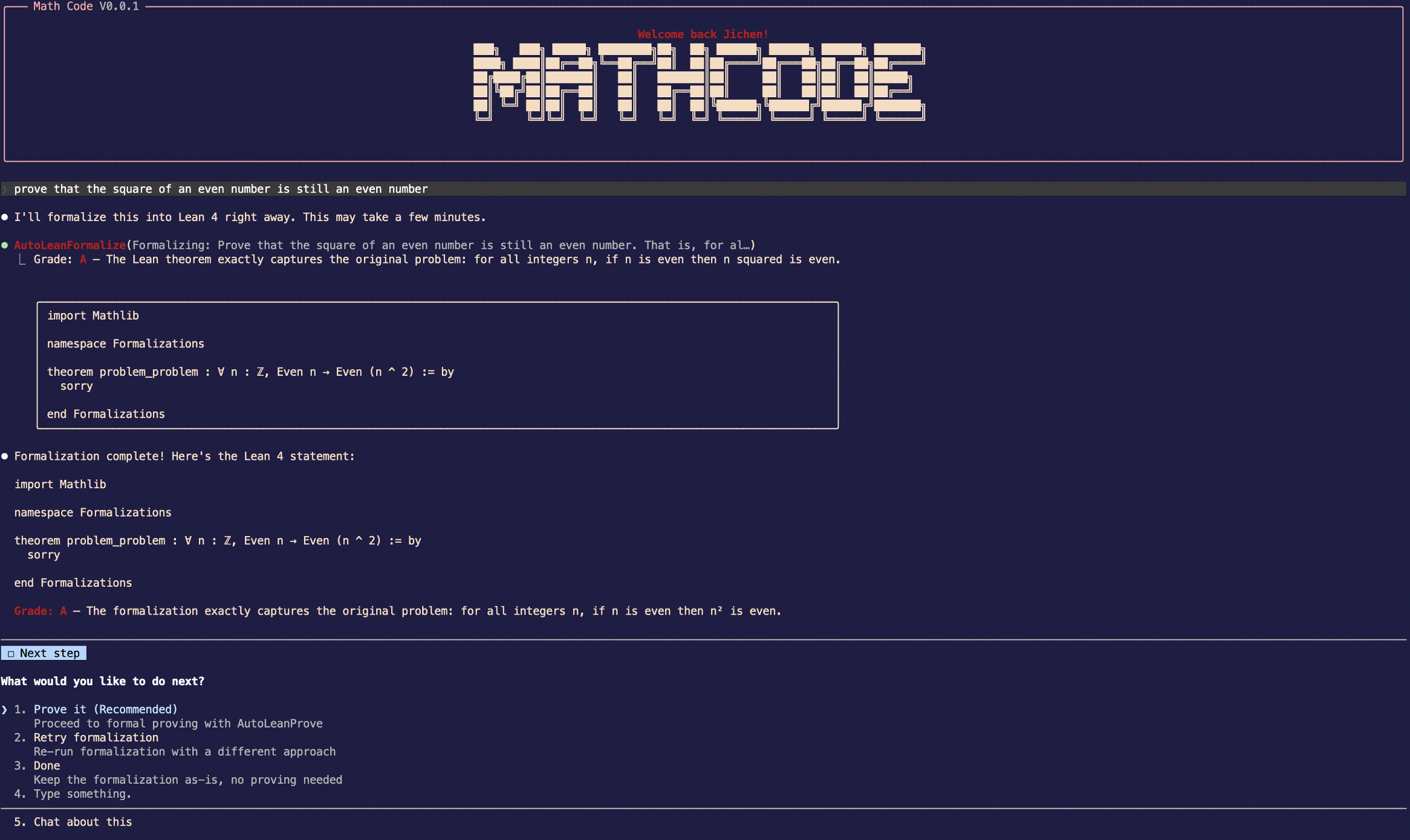
The automotive industry is criticizing the legislative reform planned by the federal government, which is intended to give German intelligence agencies access to extensive vehicle data, among other things. These powers must be designed in a “proportionate and legally secure manner”, warns Hildegard Müller, President of the German Association of the Automotive Industry (VDA). “There must be no precautionary collection of additional vehicle data.” With a comprehensive reform of the legal framework for the German intelligence services, the federal government wants to further develop these “into real intelligence services”. The Office for the Protection of the Constitution and the Federal Intelligence Service are to receive significantly more powers that go beyond their previous pure intelligence role. The German services should be able to work more operationally. Clarification required The draft law presented on Wednesday is intended to grant the intelligence agencies, among other things, extended rights for data access. For example, “motor vehicle manufacturers or motor vehicle workshops” would have to provide the Office for the Protection of the Constitution with information about “telemetry data” upon request. Representatives of the automotive industry consider this regulation to be too vague and far-reaching. They are demanding clarification from the federal government. The Central Association of the German Automotive Trade (ZDK) warns against shifting state security tasks to medium-sized companies. The association, which represents German car dealerships and automotive workshops, points out that medium-sized companies have neither the personnel nor the resources to process intelligence requests in a legally compliant manner. “Germany must be able to react to the changed security situation. Capable intelligence services are an important component of this. At the same time, the necessary strengthening of state security structures must not lead to car dealerships and automotive workshops becoming the prolonged arm of the intelligence services”, warns ZDK President Thomas Peckruhn. The draft provides that workshops should supply data if a request to the manufacturer is unsuccessful or not possible. The VDA supports this approach, but at the same time draws a line: “Any direct access to the car must be rejected for security reasons”, emphasizes Müller. The crux of the matter: telemetry data Both associations call on the federal government to formulate the rules even more clearly. “In particular, the term ’telemetry data’ and the scope of corresponding information requests must be clearly specified,” demands Müller. The ZDK also sees this as particularly critical. “For workshops, it must therefore be clearly regulated which data are to be handed over at all,” emphasizes Peckruhn. The core of the planned intelligence reform are additional powers, especially in the digital domain. This includes, among other things, online searches, where intelligence agencies gain access to a device. The so-called source TKÜ, which allows encrypted communication to be read, is also to be expanded. The federal government refers to the growing threat to Germany. It is about “being able to act actively against our adversaries”, said Federal Minister of the Interior Alexander Dobrindt (CSU) on Wednesday. Germany can no longer permanently rely on the support of friendly foreign services, added Head of the Chancellery Nina Warken (CDU). German services should no longer “lag behind those of other European partners”. (vbr) Don't miss any news – follow us on Facebook, LinkedIn or Mastodon. This article was originally published in German. It was translated with technical assistance and editorially reviewed before publication.
SaaS & Software·Aug 16, 2026
Access to telemetry data: Automotive industry criticizes intelligence reform
The automotive industry is criticizing the legislative reform planned by the federal government, which is intended to give German intelligence agencies access to extensive vehicle data, among other things. These powers must be designed in a
Hacker News3 min readSingle source
The gist
5-point summary · 1 minThe automotive industry is criticizing the legislative reform planned by the federal government, which is intended to give German intelligence agencies access to extensive vehicle data, among other things. These powers must be designed in a
- The Office for the Protection of the Constitution and the Federal Intelligence Service are to receive significantly more powers that go beyond their previous pure intelligence role.
- The German services should be able to work more operationally.
- The Central Association of the German Automotive Trade (ZDK) warns against shifting state security tasks to medium-sized companies.
- It is about “being able to act actively against our adversaries”, said Federal Minister of the Interior Alexander Dobrindt (CSU) on Wednesday.
- Germany can no longer permanently rely on the support of friendly foreign services, added Head of the Chancellery Nina Warken (CDU).
In this article
Integrity note · Xela does not rewrite or paraphrase article content. The excerpt above is the source publication's own words, sanitized for display. For the full piece — including any quotes, charts, or images — read it at Hacker News. Xela's rewritten version is off for this story, so there's no editorial angle attached — you're getting the source's reporting unfiltered. When the rewrite is on, we add a What this means block underneath with the operator/trader takeaway.
What people are saying
Discussion
Hot takes
0/280
Loading takes…
Comments
Discussion · 0
Sign in to comment, like, and save articles.
Sign inLoading comments…