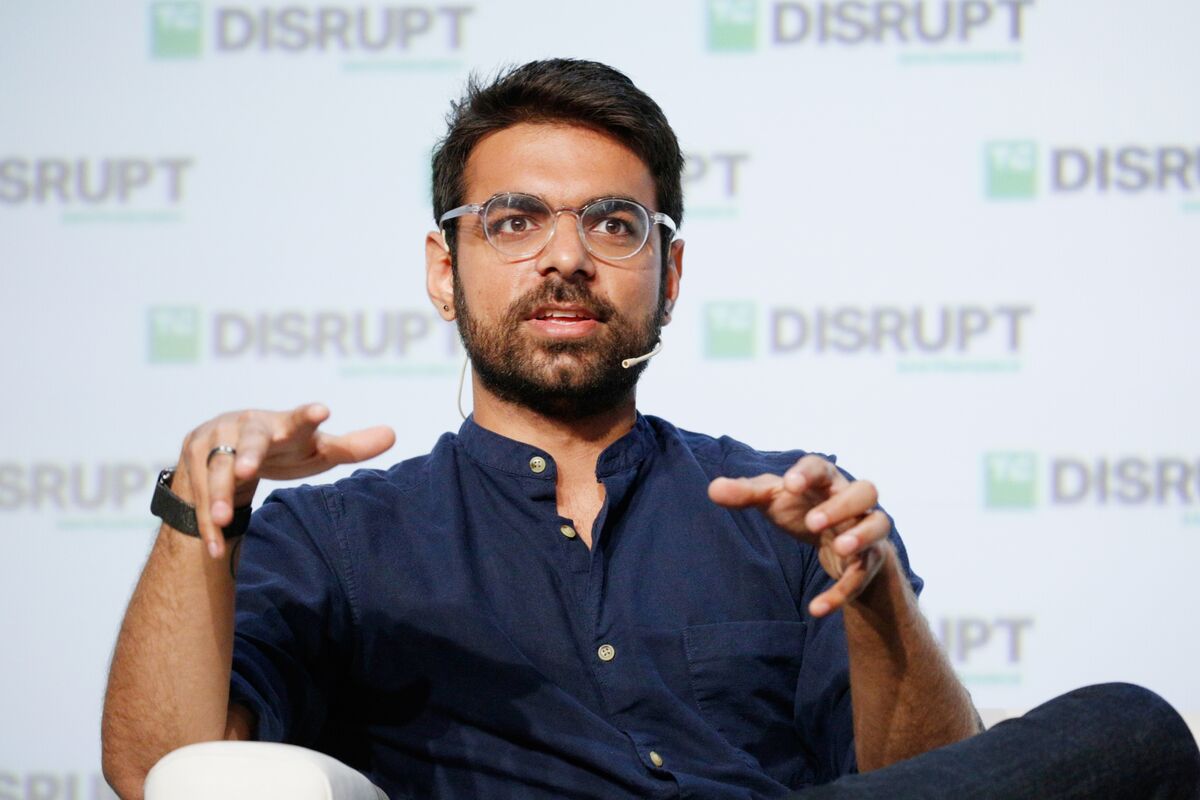
June 13, 2026 at 8:00 AM UTCListen to Odd Lots on Apple PodcastsListen to Odd Lots on SpotifyWatch Odd Lots on YouTubeSubscribe to the newsletterAnjney Midha wrote the first check to Anthropic. He teaches a viral course at Stanford on how AI works. And he was, until recently, a partner at a16z. In other words, he is AI-industry royalty. Midha's new project is AMP PBC, a company that believes it can radically lower the price of compute. To accomplish that, he is working on building a compute grid that turns GPUs into a standardized utility. But right now, compute is too fragmented. It's too heterogeneous. And given the way contracts are structured, he says that labs are being forced to spend money on capacity that often goes unused. In other words, small labs are forced to pay up for big, long-term contracts, even though their own demand (particularly during model training) may be very spiky. On this episode, Midha explains how the market for compute currently works and why he believes there's a software solution that could significantly improve compute utilization. He also tells us why he does not anticipate one company will emerge as the dominate player and that instead we'll have a wide range of models, each optimally used in specific applications.
Stocks & Investing·Jun 13, 2026
Anjney Midha's Plan to Radically Lower the Price of Compute
A conversation with the founder of AMP PBC about turning GPUs into a utility.
Bloomberg Markets1 min readPrimary source
The gist
5-point summary · 1 minA conversation with the founder of AMP PBC about turning GPUs into a utility.
- June 13, 2026 at 8:00 AM UTCListen to Odd Lots on Apple PodcastsListen to Odd Lots on SpotifyWatch Odd Lots on YouTubeSubscribe to the newsletterAnjney Midha wrote the first check to Anthropic.
- Midha's new project is AMP PBC, a company that believes it can radically lower the price of compute.
- To accomplish that, he is working on building a compute grid that turns GPUs into a standardized utility.
- In other words, small labs are forced to pay up for big, long-term contracts, even though their own demand (particularly during model training) may be very spiky.
- He also tells us why he does not anticipate one company will emerge as the dominate player and that instead we'll have a wide range of models, each optimally used in specific applications.
In this article
AAPL· Apple
—
Loading…
Yahoo Finance
Integrity note · Xela does not rewrite or paraphrase article content. The excerpt above is the source publication's own words, sanitized for display. For the full piece — including any quotes, charts, or images — read it at Bloomberg Markets. Xela's rewritten version is off for this story, so there's no editorial angle attached — you're getting the source's reporting unfiltered. When the rewrite is on, we add a What this means block underneath with the operator/trader takeaway.
What people are saying
Discussion
Hot takes
0/280
Loading takes…
Comments
Discussion · 0
Sign in to comment, like, and save articles.
Sign inLoading comments…